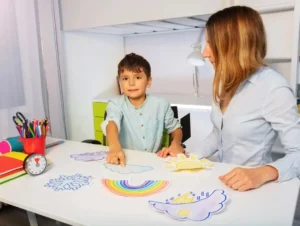
Hearing the word “neurodivergent” for the first time often raises questions. What does it actually mean? How does it relate to conditions like autism or ADHD? For parents, this term can feel both empowering and confusing, especially when trying to understand a child’s unique needs. Far from being a medical diagnosis, “neurodivergent” is a way of describing how some people think, learn, and interact differently, and why those differences deserve recognition rather than judgment.
In recent years, the concept of neurodivergence has moved from academic discussions into everyday parenting conversations. You may see it in articles, social media posts, or even in school meetings, but definitions are not always clear. This lack of clarity can leave families wondering if their child fits into the term, and if so, what that means for daily life. It’s important to unpack the meaning of neurodivergence in simple, practical language so that parents can feel confident navigating support systems and educational settings.
This article is designed to do exactly that. Step by step, we’ll explore what it means to be neurodivergent, which conditions fall under the term, and what makes a neurodivergent brain unique. We’ll look closely at autism and ADHD, two of the most common neurodivergent experiences, while also discussing strengths, challenges, and supports that can make a difference. By the end, you’ll have a clearer picture and actionable ideas for how to support your child at home, at school, and in the community.
What Does It Mean to Be Neurodivergent?
At its core, being neurodivergent means having a brain that processes, learns, or behaves differently from what society considers “typical.” This difference can show up in many ways: how a person communicates, how they pay attention, or even how they experience the world around them. Importantly, neurodivergence does not mean “less than.” It simply acknowledges that there are many ways to think and learn, and that no one style is inherently better than another.
The term comes from the broader neurodiversity movement, which emphasizes that brain differences are part of natural human variation, just like differences in height, culture, or personality. Instead of framing conditions such as autism or ADHD as defects, the movement reframes them as forms of diversity that can bring both strengths and challenges. This perspective helps reduce stigma and encourages society to build systems that are more inclusive and adaptable.
Because autism and ADHD are two of the most commonly discussed conditions under this umbrella, many families associate neurodivergence with these diagnoses. However, it’s important to remember that neurodivergence is a descriptive term, not a medical label. Its value lies in helping parents, educators, and communities view differences with empathy and curiosity rather than with fear or misunderstanding.
What Counts as Neurodivergent?
Families often ask: who exactly is considered neurodivergent? The truth is that the definition is intentionally flexible. Some of the most widely recognized conditions include autism, ADHD, dyslexia, dyscalculia (difficulty with math concepts), dyspraxia (coordination challenges), and Tourette’s syndrome. These are considered “classic” examples because they all involve differences in how the brain processes information. In some circles, conditions such as anxiety, OCD, or bipolar disorder are also discussed under the neurodivergent umbrella, though this can be more controversial. The common thread is that all of these conditions shape how a person learns, communicates, or interacts with their environment in ways that differ from the majority.
It’s important to highlight that neurodivergence does not look the same for everyone. For example, a child with dyslexia might have difficulty decoding words on a page but excel in oral storytelling or visual thinking. A person with Tourette’s might manage sudden vocal or motor tics, yet also develop resilience and problem-solving strategies that support their daily life. Someone with ADHD may find it hard to focus on long lectures but show incredible energy and innovation in hands-on projects. These examples show that “neurodivergent” is not a rigid category, it reflects a wide range of strengths and challenges that differ from person to person.
A common misconception is that neurodivergence refers only to autism or ADHD, since these conditions are frequently discussed in schools and healthcare settings. While they are central examples, limiting the term to just those two experiences overlooks the diversity within the neurodivergent community. Recognizing that dyslexia, dyspraxia, or other learning differences also count is empowering for families. It means that a child who struggles with reading or math, for instance, is not “lazy” or “falling behind,” but simply learns differently and may benefit from alternative strategies and supports.
Another essential clarification is that neurodivergence itself is not a medical diagnosis, it’s a descriptive identity. A clinician may diagnose autism, but whether a person chooses to call themselves neurodivergent is a matter of personal or community identity. This distinction matters because it shifts the focus from deficits to differences. Instead of being reduced to a list of symptoms, individuals can embrace the broader identity of neurodivergence to connect with a community that values acceptance and inclusion. For parents, understanding this nuance allows them to advocate for their child without limiting them to one diagnostic label.
What Is a Neurodivergent Brain?
A neurodivergent brain doesn’t follow the same patterns of processing information, emotions, or sensory input as what society often considers “typical.” This means that the pathways for attention, communication, memory, and even sensory experiences can look and feel different. For example, some children with ADHD may process multiple streams of information at once, which can make them appear distracted in class but also highly skilled at brainstorming new ideas. Similarly, autistic children may process sensory details, like the hum of a fluorescent light or the texture of clothing, at a heightened intensity, which influences how they experience the world moment to moment. These unique ways of processing show that neurodivergent brains operate on a spectrum of differences rather than fitting into a single category.
Research suggests that differences in brain connectivity may play a role. Neurodivergent brains often show variations in how regions communicate with one another. In ADHD, studies highlight differences in networks that regulate attention and impulse control, while autism research points to variations in areas connected to social communication and sensory regulation. These neurological differences are not signs of damage but of diversity, illustrating that the human brain has many functional designs. This scientific perspective reinforces the idea that neurodivergence is not about being “broken,” but about thinking and experiencing in distinctive ways that require tailored support.
To make this concept more relatable, it can help to imagine the brain as a city with multiple routes leading to the same destination. A neurotypical brain may take the main highway, fast, direct, and predictable. A neurodivergent brain, on the other hand, might take side streets, winding paths, or scenic detours. Sometimes that route takes longer, and other times it uncovers opportunities and insights that others miss. For parents, reframing these differences as alternative pathways rather than errors allows them to see their child’s learning and behavior with greater empathy. Instead of asking, “Why can’t my child do this the ‘normal’ way?” the more helpful question becomes, “What supports can I provide so their pathway works best for them?”
Autism and ADHD: Overlap and Differences
Autism and ADHD are often discussed together because they share several features that can look similar on the surface. Both can involve challenges with attention, self-regulation, and social interaction, which may cause parents and teachers to confuse one condition for the other. For example, a child with ADHD might struggle to sit still in class, while a child with autism may also appear inattentive if they are overwhelmed by sensory input. In both cases, the result is difficulty staying engaged in structured settings, leading adults to notice patterns of distraction, impulsivity, or withdrawal.
At the same time, each condition has distinct traits that shape how children experience the world. Children with ADHD are often drawn to novelty and stimulation. They may jump between activities quickly, start projects without finishing, or thrive in situations that involve fast-paced movement. By contrast, autistic children often prefer structure and predictability. They may use routines to feel secure and can become distressed when unexpected changes occur. Where ADHD might look like a constant search for “what’s new,” autism may resemble a strong need for “what’s the same.” These differences highlight why careful evaluation is so important: two children who seem similarly distracted could actually have very different underlying needs.
There is also a growing awareness of AuDHD, a dual profile where a child meets criteria for both autism and ADHD. This combination is not rare and often creates a unique blend of challenges and strengths. For example, a child with AuDHD might crave novelty and jump between activities, but also struggle with changes in routine, seemingly contradictory behaviors that make parenting and teaching complex. Recognizing AuDHD helps families and professionals avoid forcing children into one category, and instead tailor supports that acknowledge the full picture of their experiences.
Comparing Autism and ADHD
| Feature | Autism | ADHD | Overlap |
| Attention | May hyperfocus on specific interests but tune out other tasks. | Shifts quickly, often struggles to sustain focus unless highly motivated. | Both can appear distracted in class or during conversations. |
| Routines | Strong preference for predictability and sameness. | Often resists structure, seeks novelty and stimulation. | Difficulty with transitions is common in both, but for different reasons. |
| Social Interaction | May struggle with social cues, communication, or reciprocal conversation. | May interrupt, talk excessively, or act impulsively in social settings. | Both can face peer challenges and need social support. |
| Sensory Processing | Often heightened or reduced sensitivity to sounds, lights, textures. | May seek sensory input for stimulation (fidgeting, tapping). | Both may display restlessness or overwhelm in sensory-rich environments. |
| Energy/Activity | Energy levels vary, may be calm in routine but distressed with change. | Often high energy, restless, in constant motion. | Both can appear “hyperactive,” though for different underlying reasons. |
Recognizing Strengths and Everyday Challenges
Neurodivergent individuals often possess remarkable strengths. Autistic children may demonstrate deep focus on their interests, noticing patterns others overlook. Children with ADHD may bring high energy, creativity, and the ability to think outside the box. These traits can become powerful assets in learning, hobbies, and even future careers if they are nurtured appropriately.
Yet alongside these strengths come everyday challenges. For example, a child with ADHD may struggle to finish homework even though they are highly intelligent, while an autistic child may find group activities stressful despite being skilled in academics. Social situations, sensory overload, and executive functioning tasks often create hurdles that affect school performance and family routines. Without support, these challenges can overshadow strengths and lead to frustration.
The key is balance: recognizing both strengths and challenges equally. Parents can ask themselves, “Am I celebrating what my child does well as much as I am supporting what they find hard?” This mindset prevents over-focusing on difficulties and ensures that children feel valued for who they are, not just for what they can overcome.
Practical Supports for Neurodivergent Children and Adults
Supporting neurodivergent individuals often requires practical accommodations at school and work. In classrooms, this might mean providing visual aids, breaking assignments into smaller steps, or offering quiet areas for children who are sensitive to noise. Predictable routines can help autistic students feel secure, while flexible approaches can allow ADHD students to stay engaged without feeling restricted.
In the workplace, adults benefit from clear written instructions, flexible schedules, and sensory-friendly environments. Employers can make small adjustments, like offering noise-canceling headphones or flexible deadlines, that have a huge impact on productivity and well-being. These supports not only help neurodivergent employees thrive but also foster a more inclusive culture.
Therapy and family involvement also play critical roles. Evidence-based therapies, coaching, or skill-building programs can give children tools to manage challenges while maximizing strengths. Parents can reinforce strategies at home by maintaining consistent routines, celebrating progress, and advocating for accommodations in school and community settings. Together, these supports create a stronger safety net and empower neurodivergent individuals to reach their potential.
What to do when you have a neurodivergent in the family
The first step for many families is seeking an evaluation when concerns arise. Early assessments provide valuable insight into a child’s learning profile and can unlock resources such as school accommodations or therapeutic interventions. Even for adults, pursuing an evaluation can offer clarity and open the door to self-advocacy and support.
Language also matters. Some individuals prefer identity-first language, such as “autistic person,” while others prefer person-first language, like “person with autism.” Asking and respecting personal preferences shows acceptance and creates a more supportive environment. Families can model this respect at home and encourage schools and communities to do the same.
Above all, moving forward means embracing both support and acceptance. Parents can ask themselves: Am I creating opportunities for my child to grow while also celebrating who they are right now? This balance fosters resilience, strengthens family bonds, and helps children develop confidence in their identity. By combining early intervention with acceptance, families can help their neurodivergent children not just cope, but truly thrive.
Conclusion
Understanding what it means to be neurodivergent is more than just learning new terminology, it’s about seeing children and adults through a lens of respect and possibility. Autism and ADHD are two of the most recognized forms of neurodivergence, and while they share some overlapping traits, each brings its own unique strengths and challenges. Families who take the time to understand these differences are better prepared to advocate for supports at school, at work, and in everyday life.
What matters most is balance. Recognizing the difficulties that come with attention differences, sensory sensitivities, or executive function struggles is important, but so is celebrating creativity, resilience, and deep focus. By combining accommodations with appreciation, parents can help their children grow up not only with the tools they need to succeed but also with the confidence that comes from feeling valued for who they are.
If you’re navigating questions about autism, ADHD, or other forms of neurodivergence, you don’t have to do it alone. At Nexo ABA Therapy, we specialize in evidence-based, compassionate care tailored to each child’s needs. Our team works closely with families to design therapy that addresses challenges while nurturing strengths, whether at home, at school, or in the community. Every child deserves the chance to thrive in their own way, and we’re here to walk that journey with you.