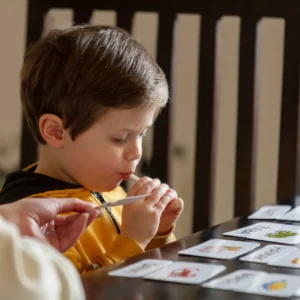
Picture this: It’s Tuesday morning, and instead of rushing to get your child ready for another clinic appointment, you’re watching them learn and grow in the comfort of your own living room. No meltdowns in the car, no unfamiliar surroundings, no wondering if what they’re learning will actually translate to real life.
This is the reality for thousands of Florida families who’ve discovered in-home ABA therapy—a game-changing approach that brings expert behavioral support directly to where children feel most secure: home.
If you’re a parent wondering whether traditional clinic visits are your only option, or if you’re exhausted from juggling appointments with everything else on your plate, you’re not alone. Let’s explore how in-home ABA therapy might be exactly what your family has been searching for.
What Is In-Home ABA Therapy?
Applied Behavior Analysis (ABA) has helped children with autism spectrum disorder and developmental delays for over 50 years. The science is solid—ABA therapy has more research backing its effectiveness than almost any other intervention for autism. But here’s what makes it even more powerful: when it happens in your home.
Think about where your child feels most comfortable expressing themselves. Where do they show their true personality? Where do the real challenges happen—getting dressed, eating dinner, or transitioning between activities? That’s exactly where learning should take place.
In-home ABA therapy transforms your everyday spaces into learning environments. Your Board Certified Behavior Analyst (BCBA) and therapy team work with your child in the kitchen while they’re learning to ask for snacks, in the living room during playtime, or even in the backyard where they’re practicing social skills with siblings.
This isn’t just convenient—it’s strategic. When children learn skills in the exact environment where they’ll use them, those skills stick better and transfer more naturally to daily life.
Benefits of Home-Based ABA Services
Sarah, a mom from Broward, puts it perfectly: “I was spending three hours a day just driving to and from appointments. My son would have meltdowns in the car, arrive stressed, and then struggle to focus during therapy. Now, he starts each session calm and ready to learn because he’s already home.”
Sarah’s experience isn’t unique. Families across Florida are discovering that home-based ABA therapy addresses challenges that clinic-based therapy simply can’t.
Personalized, Real-World Learning
Every child is different, and every home has its own rhythm. Maybe your daughter struggles with morning routines, or your son has difficulty during family dinners. In-home therapy means your BCBA can observe these real-life situations and create interventions that actually work in your world.
Instead of learning to follow directions with plastic toys in a sterile room, your child practices following instructions while helping you make lunch. Instead of role-playing social interactions, they learn to share toys with their actual siblings. The skills they develop aren’t just therapy skills—they’re life skills.
Meaningful Family Involvement
Here’s something that often surprises parents: you become your child’s most important therapy tool. With in-home ABA, you’re not dropping your child off and hoping for the best. You’re learning alongside them, understanding the “why” behind each strategy, and discovering how to support their progress between sessions.
Many parents tell us this involvement transforms their confidence. Instead of feeling helpless when challenging behaviors arise, they have practical tools and strategies that actually work.
More Flexibility, Less Stress
Let’s be honest—life with special needs children is unpredictable enough without adding the stress of commuting to appointments. Bad weather, traffic, unexpected meltdowns, or simply having an off day can derail an entire clinic visit.
Home-based therapy adapts to your family’s needs. If your child is having a rough morning, the session can start slowly. If they’re particularly engaged, it can run a bit longer. This flexibility leads to more productive sessions and less stress for everyone.
Better Skill Generalization
This is where in-home therapy truly shines. One of the biggest challenges in traditional ABA is helping children use their new skills outside the therapy room. When a child learns to communicate their needs in a clinic setting, will they remember to do it at home during dinner?
With in-home therapy, this problem disappears. Your child learns to request help in your kitchen, practices patience in your living room, and develops coping strategies in their actual bedroom. The skills they develop are immediately relevant and naturally become part of their daily routine.
What to Expect in Home-based ABA Therapy
Starting any new therapy can feel overwhelming, but understanding the process helps. Here’s what actually happens when your family begins in-home ABA therapy:
1. Initial Assessment
Your journey begins with a comprehensive evaluation by a Board Certified Behavior Analyst (BCBA). This isn’t a quick checklist—it’s typically a 2-3 hour process where the BCBA observes your child in various situations, talks with you about your concerns and goals, and gets to know your family’s unique dynamics.
They’ll want to understand what motivates your child, what triggers challenging behaviors, and what skills would make the biggest difference in your daily life. This assessment forms the foundation for everything that follows.
2. Collaborative Goal Setting
Here’s where your expertise as a parent becomes crucial. You know your child better than anyone, and your input shapes the entire therapy plan. Maybe independent toileting is your top priority, or perhaps reducing aggressive behaviors during transitions is what would help most.
Your BCBA will help you identify goals that are both meaningful and achievable, breaking down big objectives into manageable steps. These goals aren’t set in stone—they evolve as your child grows and develops new skills.
3. Therapy Begins
Once your insurance approves the treatment plan, you’ll meet your Registered Behavior Technician (RBT)—the therapist who’ll work directly with your child. These sessions typically range from 2-6 hours per day, depending on your child’s needs and insurance coverage.
Don’t expect rigid, formal instruction. Quality in-home ABA therapy looks like play, learning, and natural interaction. Your RBT might work on communication skills while your child is playing with their favorite toys, or practice following directions during typical household activities.
4. Ongoing Progress Monitoring
ABA therapy is data-driven, which means every session includes careful tracking of your child’s progress. Your BCBA will meet with you regularly—typically monthly—to review data, discuss what’s working, address any concerns, and adjust the treatment plan as needed.
This isn’t just about numbers on a chart. It’s about celebrating victories (even small ones), problem-solving challenges, and ensuring therapy remains relevant to your family’s evolving needs.
ABA Provider in Florida
With dozens of ABA providers operating throughout Florida, choosing the right one for your family requires careful consideration. The wrong choice can mean months of ineffective therapy and frustrated family members. The right choice can be truly transformative.
At Nexo ABA Therapy, we’re proud to be that right choice for families across Florida. Here’s what to look for—and how we deliver on every point.
Are their therapists truly qualified and experienced? Look beyond basic certifications. How long have their BCBAs been practicing? Do their RBTs have specific experience with in-home services? Ask for references from other families—quality providers are happy to connect you with satisfied clients.
Do they create genuinely individualized treatment plans? Cookie-cutter approaches don’t work in ABA therapy. Your provider should take time to understand your child’s unique needs, your family’s priorities, and your home environment before creating any treatment plan.
How do they handle insurance and billing? Understanding your benefits can be confusing, and surprise bills are the last thing any family needs. Quality providers have dedicated staff who verify your benefits, explain your coverage clearly, and handle all insurance communications.
What does family involvement actually look like? Some providers talk about family involvement but offer little practical support. Ask specifically how parents are trained, how often you’ll receive updates, and what resources are available to help you support your child’s progress.
How do they measure and report progress? You should receive regular, understandable reports about your child’s progress. Data should be presented in ways that make sense to parents, not just professionals.
At the end of the day, ABA therapy isn’t just about strategies and schedules. It’s about trust. At Nexo ABA Therapy, we honor that trust by bringing skill, transparency, and heart into every home we serve.
How to Start In-Home ABA Therapy
Taking the first step toward in-home ABA therapy doesn’t have to feel overwhelming. Most families find the process more straightforward than they expected.
Start with a Consultation
Reach out to potential providers for an initial consultation. Many offer free intake calls where they’ll learn about your child’s needs, explain their services, and answer your questions. This is your opportunity to get a feel for their approach and see if they might be a good fit.
Verify Insurance Coverage
Once you’ve identified a provider you’re comfortable with, they should help verify your insurance benefits. This includes checking your ABA therapy coverage, understanding any deductibles or co-payments, and explaining the prior authorization process.
Don’t be afraid to ask questions about costs. Reputable providers are transparent about financial aspects and won’t pressure you into services your insurance won’t cover.
Schedule Your Assessment
After insurance approval, you’ll schedule the comprehensive assessment with a BCBA. This typically happens in your home, allowing the analyst to observe your child in their natural environment and understand your family’s unique situation.
Begin Regular Sessions
Once your treatment plan is approved, regular therapy sessions begin. Most families start with a gradual introduction—perhaps shorter sessions initially to help your child adjust to having a therapist in the home.
Your therapy schedule should work with your family’s routine, not against it. Quality providers offer flexible scheduling, including evening and weekend options when appropriate.
Conclusion
In-home ABA therapy represents more than just convenience—it’s a recognition that children learn best when they feel safe, comfortable, and engaged in meaningful activities. When therapy happens in your home, using your routines and addressing your real-life challenges, the results can be truly remarkable.
Every day, we see children who struggled in clinical settings flourish when therapy comes to them. We watch families transform from feeling overwhelmed and isolated to feeling confident and empowered. We see skills that were learned during therapy sessions naturally become part of daily life.
If you’ve been wondering whether there’s a better way to support your child’s development—one that fits your family’s needs and respects your home’s rhythms—in-home ABA therapy might be exactly what you’ve been looking for.
The journey of supporting a child with special needs isn’t always easy, but you don’t have to navigate it alone. With the right support, in the right environment, every child can grow, learn, and thrive.
Your child’s potential is limitless. Sometimes, it just takes the right approach to help them reach it.