Learn how to implement home ABA therapy effectively and support your child’s development with professional strategies.
If you’re a parent looking to support your child’s progress with Applied Behavior Analysis (ABA) therapy, you’re in the right place. ABA therapy at home can be a powerful way to help your child build essential skills, from communication and social interactions to daily routines and independence. Working with a professional ABA home therapist is ideal and you can also reinforce evidence-based strategies right in your own home.
But where do you start? What techniques actually work? And how do you know when to seek professional in-home ABA services? This guide will answer all your questions, giving you strategies to effectively implement home-based ABA therapy and create a structured, supportive environment for your child’s growth. Let’s dive in!
Home-Based ABA Therapy
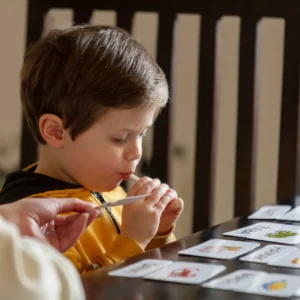
Home-based ABA therapy is a structured, evidence-based approach designed to support children with autism spectrum disorder (ASD) and other developmental challenges in the comfort of their own home. Unlike traditional therapy settings, ABA home therapy allows children to learn and practice essential skills in their everyday environment, making it easier to generalize behaviors across different situations. When working with a certified ABA home therapist or implementing strategies as a parent, home-based therapy focuses on reinforcing positive behaviors, reducing problematic behaviors, and fostering independence.
At the core of ABA in-home therapy are three fundamental principles: positive reinforcement, structured learning, and behavior modification. Positive reinforcement encourages children to repeat desirable behaviors by rewarding progress with something meaningful, such as praise, favorite activities, or small incentives. Structured learning breaks down complex skills into smaller, manageable steps, allowing children to master them gradually. Behavior modification techniques help replace challenging behaviors with appropriate alternatives, using strategies tailored to the child’s specific needs. These principles create a consistent, predictable environment where children feel motivated to learn and develop new skills.
One of the biggest differences between clinic-based ABA therapy and in-home ABA services is the setting in which interventions take place. While clinic-based therapy provides a controlled environment with specialized tools and structured sessions, home-based ABA therapy integrates learning into the child’s daily life. This means children can practice skills like communication, social interaction, self-care, and following routines in a familiar and natural setting. Additionally, ABA home services offer greater flexibility for families, allowing customized schedules and direct involvement of parents in the therapy process. By reinforcing skills throughout the day, home-based ABA therapy can significantly improve a child’s ability to function independently and apply learned behaviors in real-world situations.
Benefits of ABA Therapy at Home
One of the greatest advantages of ABA home therapy is that it takes place in a familiar environment, reducing anxiety and resistance to new routines. Many children with autism spectrum disorder (ASD) struggle with transitions, and attending sessions in an unfamiliar clinic can sometimes be overwhelming. By working within their own home, children feel more comfortable, which can lead to faster skill acquisition and improved engagement during therapy sessions.
Another key benefit is that learning happens naturally within the child’s daily environment. Unlike structured clinic sessions, where skills are practiced in isolation, ABA home therapy allows children to apply what they learn in real-life situations. Whether it’s improving communication at the dinner table, following instructions during bedtime routines, or practicing social interactions with siblings, therapy at home ensures that skills are relevant and immediately useful. This also makes it easier to integrate daily routines into therapy, helping children build independence in tasks such as dressing, brushing teeth, or organizing toys.
Furthermore, parental involvement plays a crucial role in the success of ABA home services. Since therapy occurs at home, parents have direct access to training and coaching, allowing them to reinforce techniques even outside of formal sessions. This continuous support enhances consistency, which is essential for long-term success. Additionally, families living in Broward and Miami benefit from the convenience of ABA in-home services, eliminating the need for travel and allowing for flexible scheduling that fits the child’s and family’s needs. As a result, home-based ABA therapy not only promotes learning in a comfortable setting but also empowers parents to play an active role in their child’s developmental progress.
When to Hire an ABA Home Therapist
While many parents successfully implement ABA strategies at home, there are times when professional in-home behavioral therapy becomes necessary. If a child is showing persistent behavioral challenges, struggling with communication, or having difficulty learning new skills despite structured parental efforts, it may be time to seek help from a certified ABA home therapist. Other signs that professional intervention is needed include severe meltdowns, self-injurious behaviors, or difficulty following instructions, all of which require specialized techniques to address effectively.
Finding the right ABA home therapist starts with choosing a provider who is certified by the Behavior Analyst Certification Board (BACB) and has experience working with children with autism spectrum disorder (ASD) or other developmental challenges. Families can look for ABA in-home therapy providers through referrals from pediatricians, autism support groups, or online directories, ensuring that the therapist is both qualified and a good fit for the child’s needs. Many providers also offer an initial assessment, where they observe the child’s behaviors and outline a personalized therapy plan.
Once therapy begins, parents can expect structured sessions tailored to the child’s goals, focusing on communication, social skills, and behavior modification. ABA home services typically involve one-on-one instruction, data collection to track progress, and regular parent training to ensure continuity between sessions. The therapist will also adjust intervention strategies as needed, ensuring that the child continues making progress toward independence.
Common Challenges in In-Home ABA Therapy & How to Overcome Them
While home-based ABA therapy offers many benefits, it also presents unique challenges that parents and therapists must navigate. One of the most common issues is lack of structure, which can make it difficult for children to differentiate therapy time from regular home activities. To address this, parents should set up a dedicated therapy space that is quiet, organized, and free from distractions. Having a designated area signals to the child that it’s time to focus, reinforcing consistency in learning.
Another common challenge is maintaining consistency in implementing ABA strategies. Without a set routine, children may struggle to retain new skills or respond predictably to interventions. To prevent this, parents should create a daily schedule that incorporates structured therapy sessions, practice opportunities, and reinforcement techniques throughout the day. A visual schedule or planner can help maintain organization and ensure that ABA techniques are used consistently across different activities.
Child resistance can also occur, especially if the child finds certain tasks challenging or unmotivating. In such cases, using motivating reinforcers—such as preferred toys, activities, or small rewards—can help increase engagement. Reinforcers should be varied and meaningful to the child, ensuring that they remain motivated to participate in therapy. By maintaining a structured environment, staying consistent with strategies, and using reinforcers effectively, parents and therapists can maximize the success of ABA home therapy and help children build essential life skills.
Finding ABA In-Home Services in Broward & Miami
When searching for ABA home therapy services in South Florida, it’s essential to work with certified professionals who follow the Behavior Analyst Certification Board (BACB) standards. A qualified ABA home therapist ensures that interventions are tailored to the child’s individual needs, behavior goals, and developmental progress, using evidence-based strategies. Choosing the right provider requires careful consideration of their certifications, experience, and approach to therapy, ensuring they offer personalized treatment plans and ongoing parent training.
ABA Home Services in Miami
Miami families seeking ABA home therapy can rely on Nexo ABA Therapy for personalized, evidence-based interventions. Our bilingual team provides therapy in English and Spanish, ensuring effective communication between therapists, children, and parents. We specialize in early intervention, social skills development, and individualized treatment plans that integrate seamlessly into the child’s daily routine. With flexible scheduling and insurance coverage options, we make home-based ABA therapy accessible and convenient for families across Miami.
Our Miami-based ABA home therapists focus on helping children build communication, social, and daily living skills while addressing challenging behaviors in a structured yet familiar environment. Whether your child needs assistance with behavior management, academic skills, or adaptive routines, our team tailors each session to their specific needs, ensuring consistent progress and long-term success.
In-Home Behavior Therapy in Broward
Families in Broward County have access to high-quality ABA home therapy with Nexo ABA Therapy, serving communities in Pembroke Pines, Fort Lauderdale, Hollywood, and surrounding areas. Our Board Certified Behavior Analysts (BCBAs) oversee each case, ensuring that therapy sessions are structured, research-based, and tailored to each child’s unique developmental goals. We offer customized intervention plans that focus on enhancing communication, daily routines, and social skills while minimizing disruptive behaviors.
Parental involvement is a crucial part of our Broward-based ABA home therapy programs, allowing families to actively participate in their child’s learning process. Our team provides data-driven progress tracking, ensuring that therapy strategies are adjusted based on measurable outcomes. Additionally, we collaborate with schools and educators to maintain consistency between home and classroom interventions, further reinforcing the child’s learning and behavioral development.
Conclusion
ABA therapy at home is a powerful tool in helping children develop essential skills, but consistency, structure, and professional guidance are key to success. Whether you’re implementing basic ABA techniques yourself or working with a certified ABA home therapist, creating a supportive and structured environment makes all the difference in your child’s progress. By incorporating positive reinforcement, structured learning, and behavior modification techniques, you can help your child build independence, confidence, and essential life skills in the comfort of their own home.
If you’re looking for ABA in-home services in Broward or Miami, now is the time to take the next step. Reach out to a certified ABA provider to learn more about how home-based therapy can benefit your child and set them up for long-term success. Whether you need one-on-one therapy, parental training, or comprehensive ABA intervention, finding the right support can make a life-changing difference. Contact a trusted provider today and start your child’s journey toward meaningful progress!