At Nexo ABA Therapy, we believe that every child has the potential to learn and grow with the right support. Applied Behavior Analysis (ABA) therapy is a scientifically proven approach that helps children develop essential skills by using structured techniques and positive reinforcement. Whether it’s improving communication, fostering independence, or teaching social interactions, ABA therapy is tailored to meet each child’s unique needs.
Parents in Broward and Miami-Dade often wonder how ABA therapy works in real-life situations. This article will explore practical examples of ABA therapy and how these strategies help children build meaningful skills for daily life. If you’re considering ABA therapy for your child, understanding these real-world applications can provide valuable insights into its effectiveness.
What Is ABA Therapy and How Does It Work?
Applied Behavior Analysis (ABA) therapy is an evidence-based intervention designed to help children learn new skills and reduce challenging behaviors through structured, step-by-step methods. ABA focuses on positive reinforcement, meaning that when a child demonstrates a desired behavior, they receive a reward or encouragement to reinforce that behavior. Over time, this approach helps children build habits that enhance their learning, independence, and social interactions.
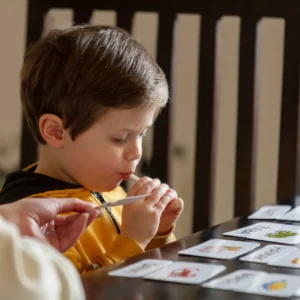
ABA therapy is highly individualized and can be applied in various settings, including homes, schools, and therapy centers. Therapists work closely with children to break down complex skills into smaller, manageable steps. For example, if a child is learning how to communicate their needs, ABA therapists might first teach them how to request a favorite toy using simple words or gestures. Once the child consistently performs this action, the therapist gradually encourages more complex language use.
One of the key strengths of ABA therapy is its adaptability. Every child has unique strengths and challenges, so ABA programs are designed based on specific goals tailored to their development. By using structured techniques, ABA therapy helps children build confidence in areas like communication, daily routines, and social skills.
Examples of ABA Therapy in Daily Life
ABA therapy is not just about structured sessions in a clinic—it extends into everyday situations, helping children apply learned skills in real-world settings. Whether at home, school, or social environments, ABA techniques reinforce positive behaviors and encourage independence. Below are some key examples of how ABA therapy is used in practical, day-to-day scenarios.
1. Teaching Communication Through Functional Requests
Imagine a child who struggles to express their needs. Instead of crying or becoming frustrated, ABA therapy teaches them to use words, gestures, or picture-based systems to make functional requests. For instance, during snack time, an ABA therapist might prompt the child to say “juice” or point to a picture of a drink before receiving it. Over time, these prompts decrease, and the child naturally learns to ask for what they need without frustration.
2. Encouraging Positive Social Interactions
Many children with developmental challenges find social situations overwhelming. ABA therapy introduces structured social practice, such as greeting others, taking turns, and maintaining conversations. For example, in a play setting, an ABA therapist may use modeling and reinforcement to help a child practice sharing toys with a peer. If the child successfully shares, they receive positive reinforcement—this could be a verbal “great job!” or a favorite activity. As a result, social interactions become less intimidating and more natural over time.
3. Developing Independence in Daily Routines
Self-care skills are essential for a child’s development. ABA therapy breaks down daily routines into small, achievable steps, making tasks like brushing teeth, getting dressed, or packing a school bag easier to manage. Let’s say a child has difficulty brushing their teeth. The ABA approach might start with reinforcing each small step—first, picking up the toothbrush, then putting toothpaste on, followed by brushing for a short duration. Each step is rewarded until the child can complete the routine independently.
4. Managing Transitions Without Meltdowns
Transitions—like moving from one activity to another—can be challenging for some children, leading to resistance or emotional outbursts. ABA therapy uses visual schedules, timers, and verbal cues to help children adjust smoothly. For example, before switching from playtime to homework, a therapist might introduce a countdown method: “Five more minutes of play, then homework time!” This consistent approach reduces anxiety and helps the child develop flexibility in their routine.
5. Reducing Problem Behaviors by Replacing Them with Functional Alternatives
Rather than focusing solely on stopping negative behaviors, ABA therapy works to replace them with appropriate alternatives. For instance, if a child frequently throws objects when frustrated, the therapist might teach them a calm-down strategy, such as deep breathing or using a communication card to express frustration. Over time, the child learns that using words or gestures is a more effective way to communicate than resorting to disruptive behaviors.
Through these real-life applications, ABA therapy equips children with the tools they need to navigate the world with confidence. By reinforcing positive behaviors in natural settings, ABA ensures that learning is not just theoretical but functional and lasting.
How ABA Therapy Supports Social and Emotional Growth
ABA therapy plays a crucial role in supporting a child’s social and emotional development, helping them navigate peer interactions, regulate emotions, and engage in shared activities with confidence. Many children with developmental challenges struggle to connect with others, whether due to difficulty understanding social cues, initiating conversations, or managing emotions in group settings. ABA therapy provides structured guidance to enhance social skills, using techniques like modeling, reinforcement, and role-playing to help children practice real-world interactions. Over time, they become more comfortable engaging with peers, forming friendships, and responding appropriately in social situations.
Emotional regulation is another key area where ABA therapy makes a significant impact. Children who experience frustration, anxiety, or difficulty expressing their emotions can often exhibit outbursts, avoidance, or disruptive behaviors. Through ABA, they learn alternative coping strategies, such as deep breathing, using communication tools, or identifying emotions through structured exercises. Instead of reacting impulsively, children develop the ability to recognize their emotions and apply appropriate responses. This not only helps them manage stress but also fosters greater self-awareness and resilience in challenging situations.
Another important aspect of social growth is learning how to take turns, share, and participate in group activities. Many children benefit from structured guidance that teaches them how to wait for their turn in conversations or games, follow rules in a group setting, and cooperate with others. ABA therapists often use techniques like visual supports, token systems, and guided social play to reinforce these skills in a way that is engaging and meaningful. By incorporating these strategies into therapy sessions, children develop the confidence and understanding needed to interact successfully in social and academic settings.
ABA Therapy at Home and in School Settings
The benefits of ABA therapy extend beyond one-on-one sessions—it is just as effective when applied at home and in school settings. Parents play a vital role in reinforcing the strategies used during therapy, and ABA therapists often provide personalized plans to help families implement effective interventions. Simple adjustments, such as using visual schedules, reinforcing positive behaviors, and creating structured routines, can help children generalize their learned skills in a familiar home environment. Parents are also encouraged to model desired behaviors and use consistent reinforcement to ensure that progress made in therapy translates into daily life.
In school settings, collaboration between ABA therapists and teachers ensures that children receive the right level of support to thrive academically and socially. ABA strategies can be integrated into the classroom through individualized behavior plans, reinforcement systems, and structured support for transitions and group activities. For example, a child who struggles with classroom participation might benefit from prompting techniques or visual reminders to help them engage with their peers and teachers. Additionally, ABA therapists can work closely with educators to adjust teaching methods, support individualized learning styles, and address behavioral challenges in a way that aligns with the child’s therapy goals.
One of the strengths of ABA therapy is its adaptability across different learning environments. Whether at home, school, or community settings, ABA techniques can be modified to fit the child’s needs while maintaining consistency in reinforcement. This flexibility ensures that children build practical, transferable skills that help them succeed in multiple aspects of their daily lives. By integrating ABA therapy into both structured and natural settings, children gain the ability to apply their communication, social, and emotional regulation skills in ways that promote long-term independence and growth.
Conclusion
Finding the right ABA therapy services in Broward and Miami can be a life-changing step toward helping your child develop essential skills, build confidence, and achieve greater independence. With local ABA providers offering personalized, evidence-based interventions, families have access to the support their children need to thrive. Whether your child is working on communication, social interactions, emotional regulation, or daily living skills, ABA therapy provides a structured, effective approach that leads to lasting progress.
Understanding insurance coverage and financial assistance options is crucial when starting ABA therapy. Many providers accept private insurance, Medicaid, and financial aid programs, ensuring that more families can access high-quality therapy without overwhelming financial burdens. Exploring coverage options with ABA centers can help you navigate the process smoothly and determine the best plan for your child’s needs.
If you’re ready to take the next step, early intervention is key. The sooner a child begins ABA therapy, the greater the impact on their development and long-term success. At Nexo ABA Therapy, our team is dedicated to helping families in Broward and Miami-Dade find the right support, create individualized therapy plans, and empower children to reach their full potential. Contact us today to learn how ABA therapy can make a difference in your child’s life—because every child deserves the opportunity to grow, connect, and succeed.